Inside the Hot Shop
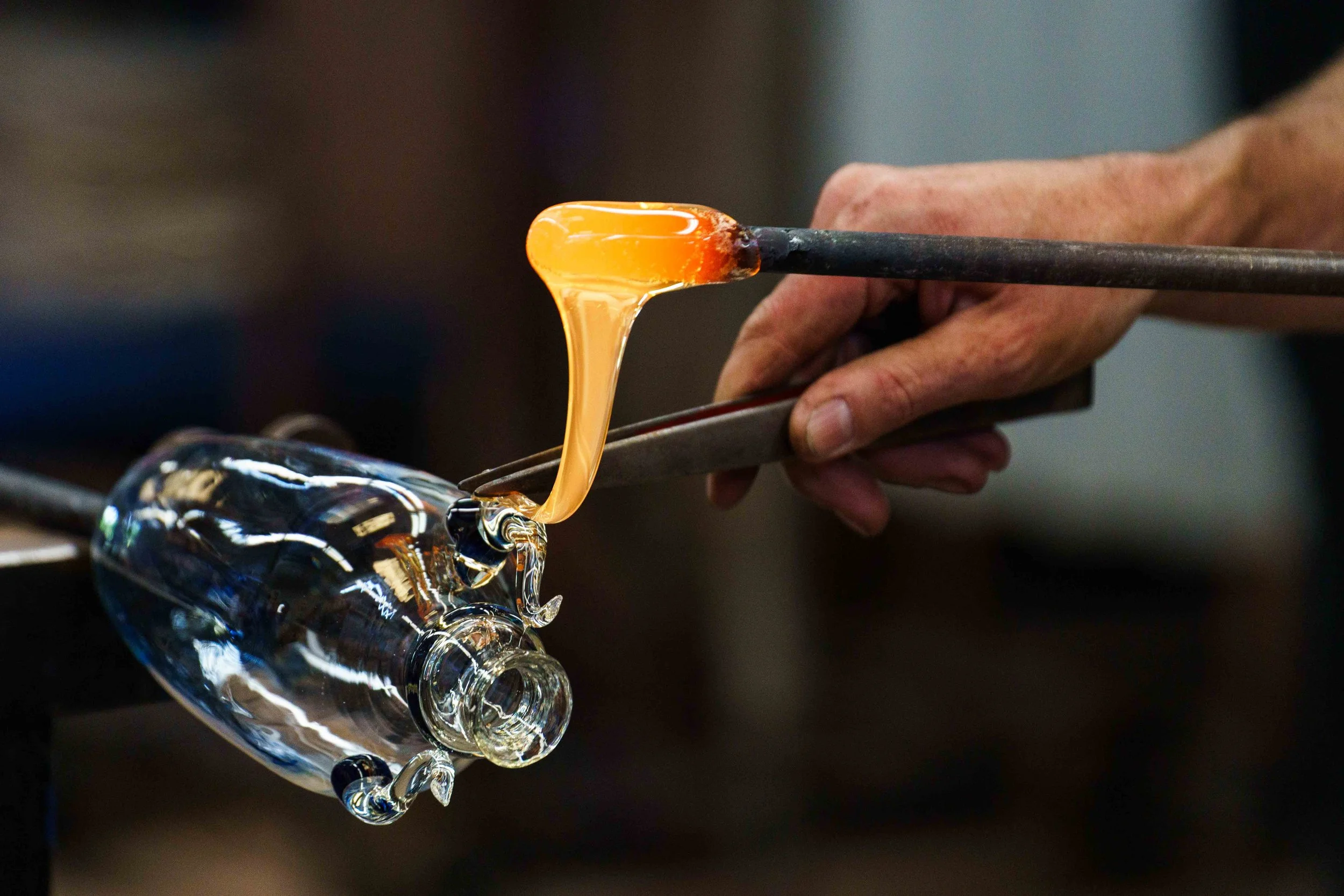
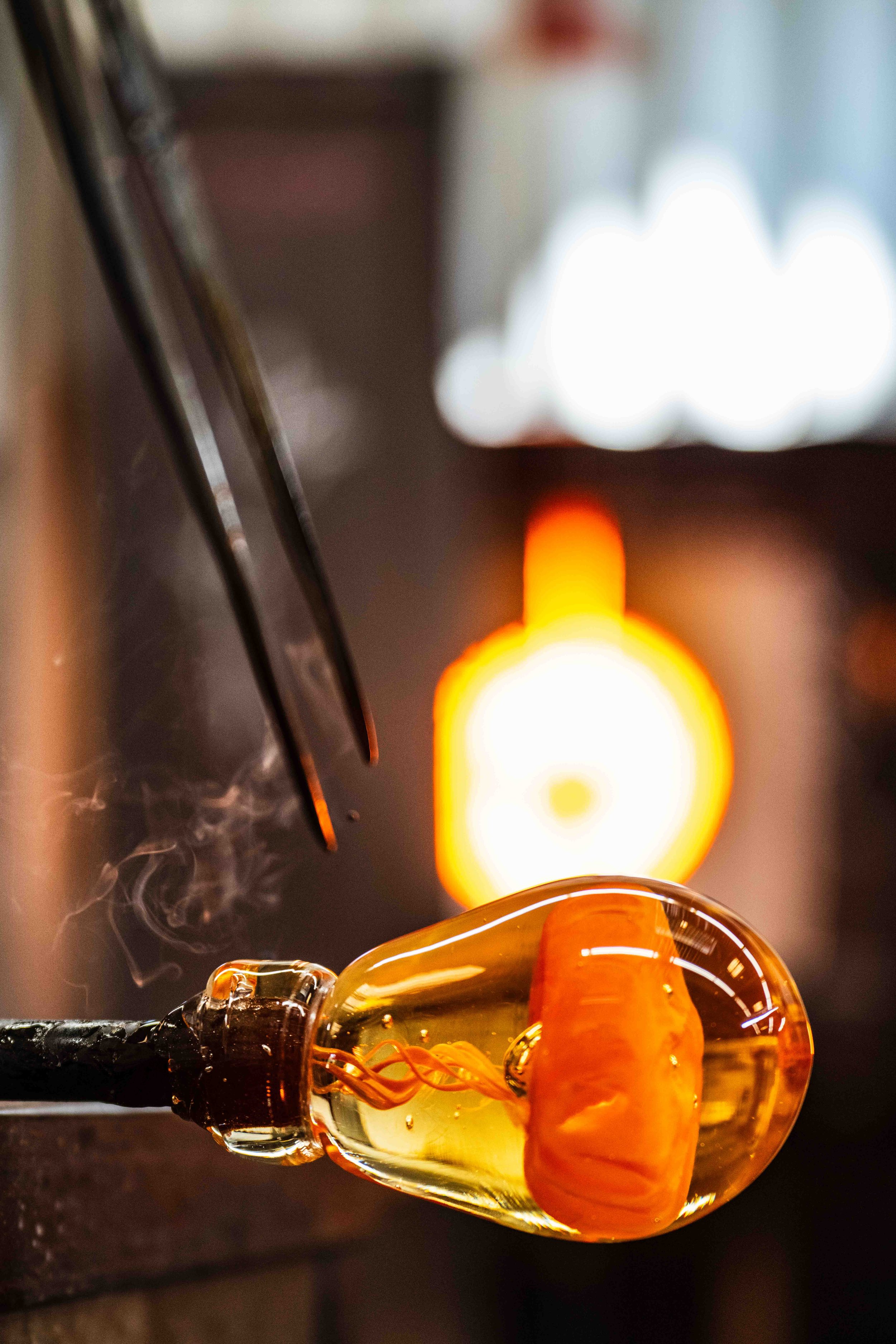
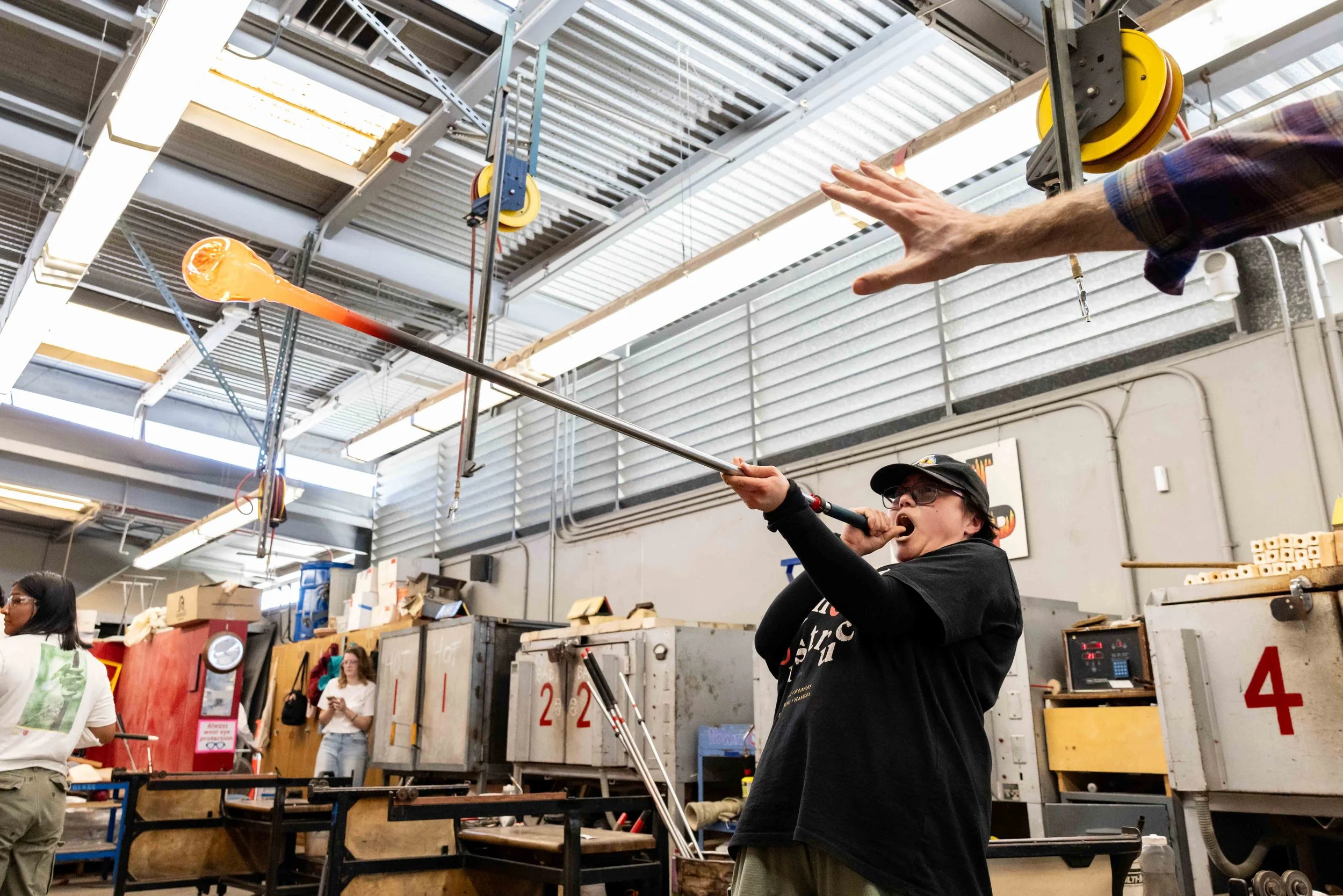
Molten glass often glows orange, viscous and workable. If the temperature drops too quickly, it can shatter. Shaping glass successfully requires speed, steadiness, and skill. Very few academic programs in Southern California still teach the practice in a hot shop, often due to the high cost of operation.

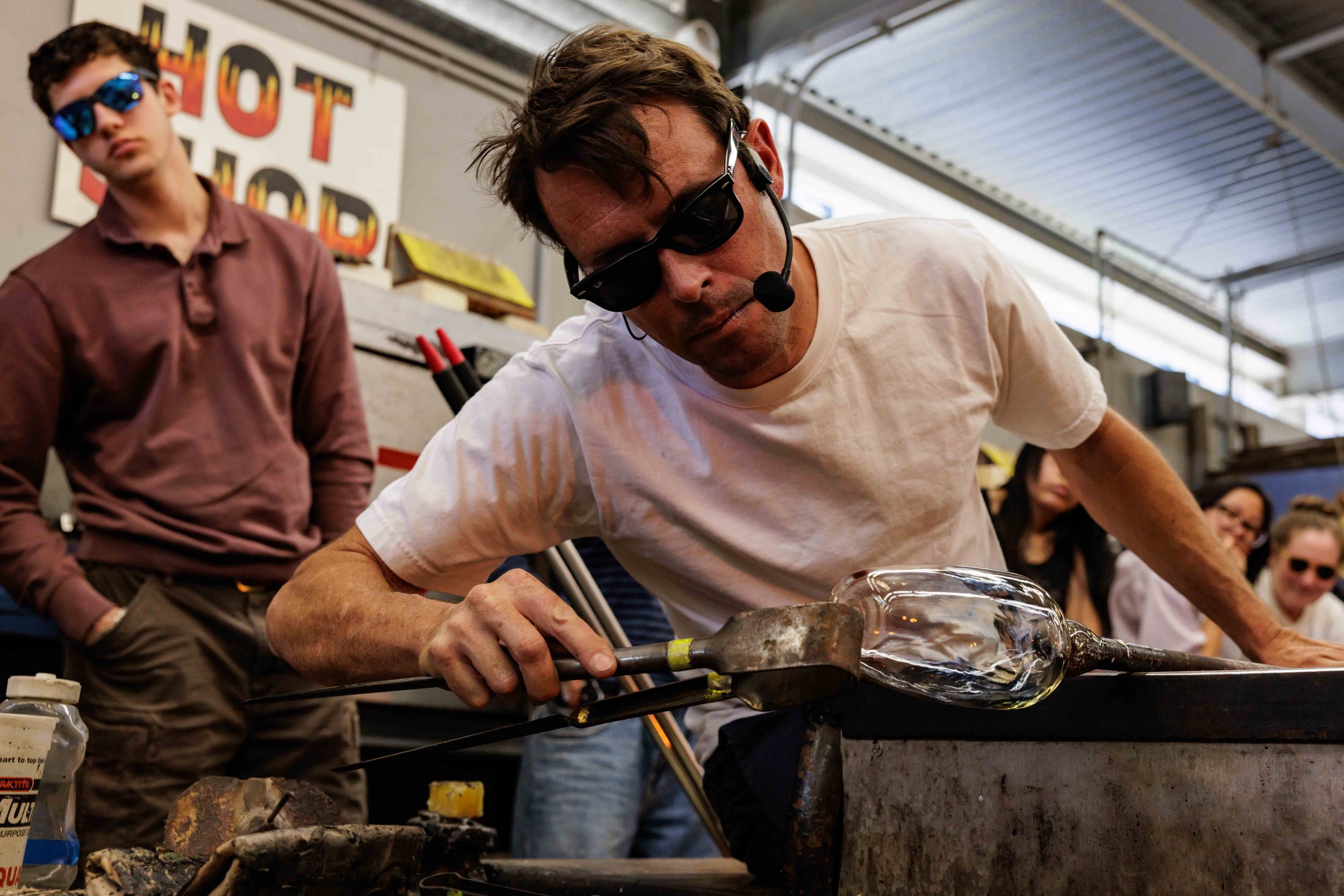
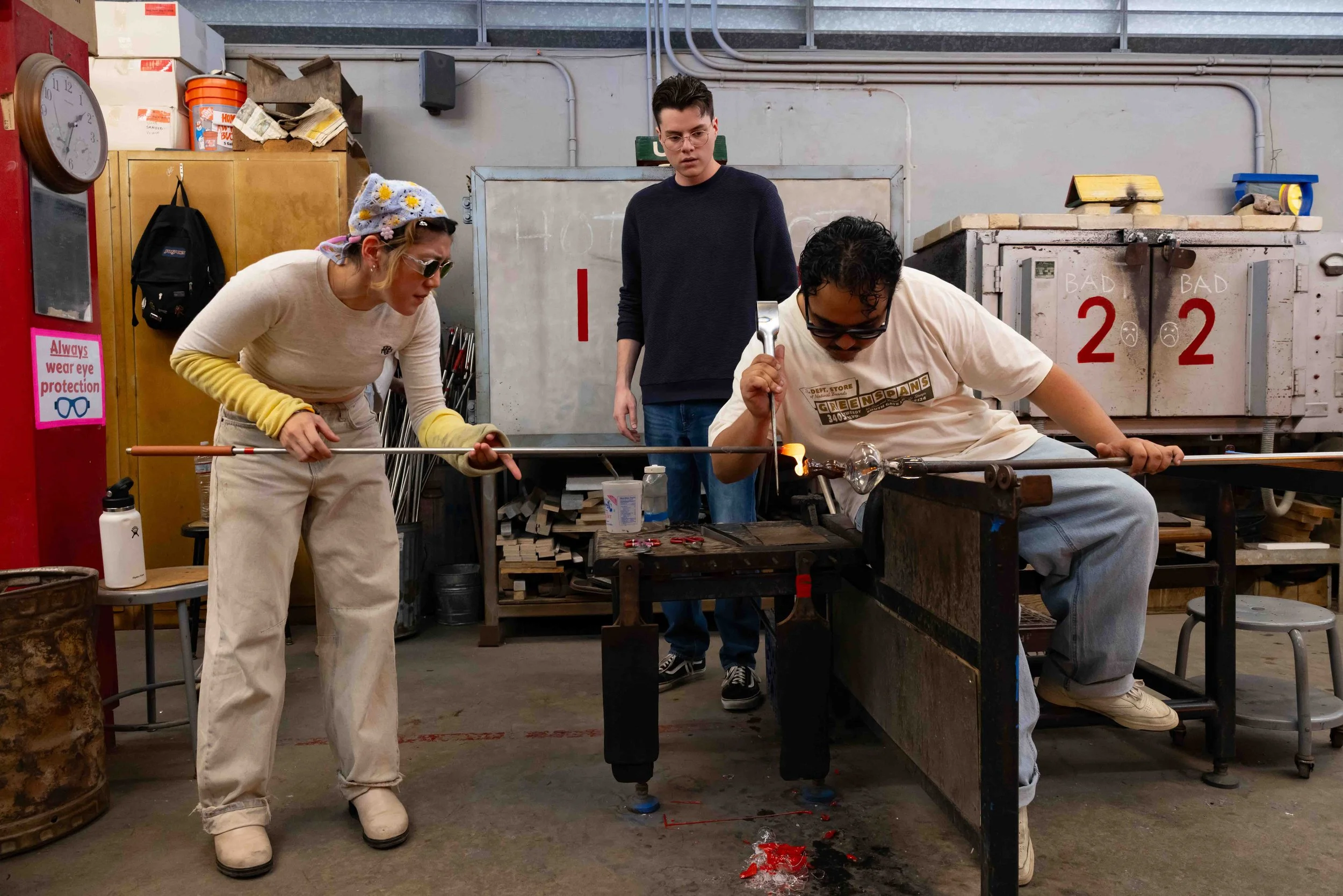
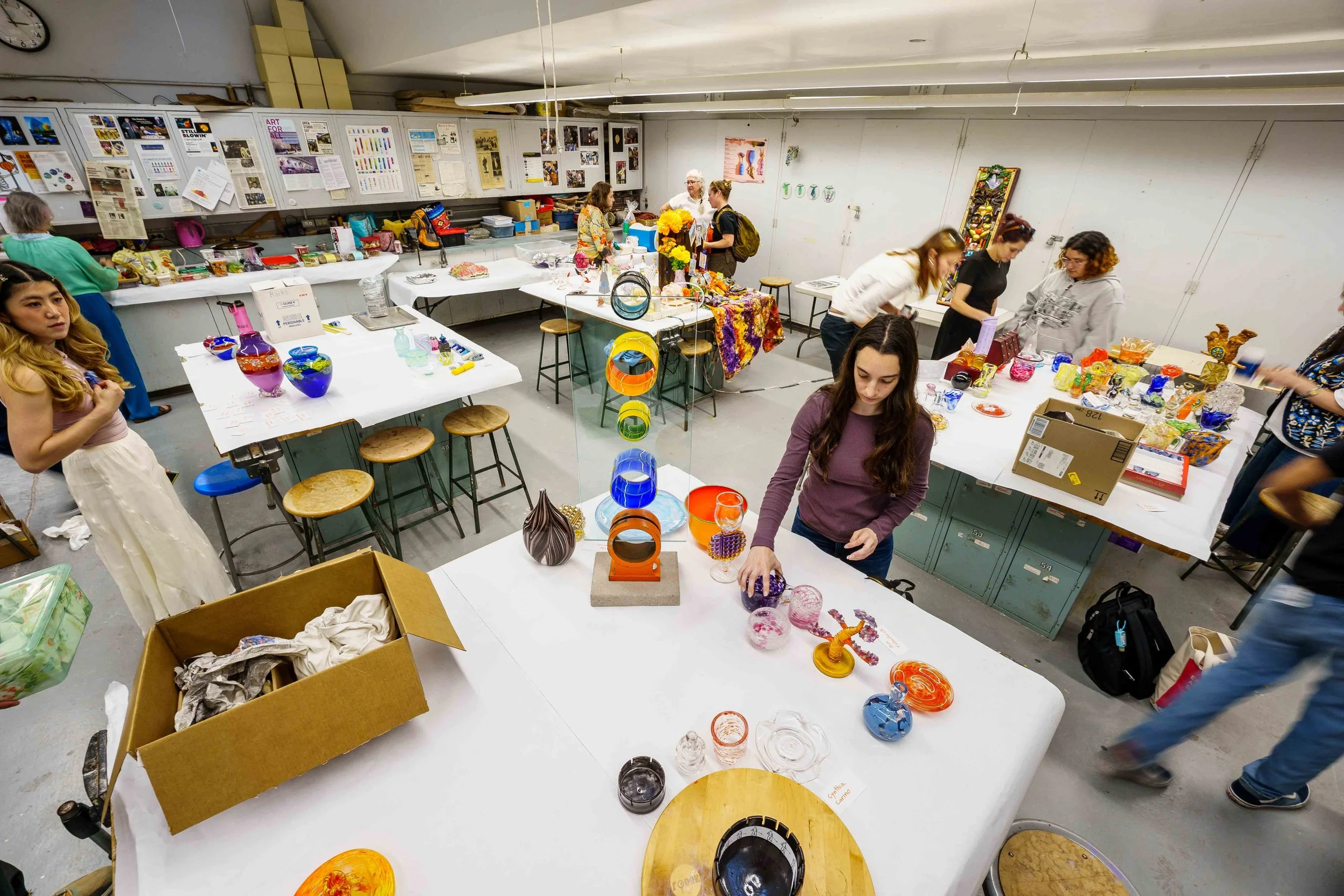
In L.A. County, Santa Monica College is the only public institution to offer glass sculpture as part of their arts program. Terri Bromberg leads the glass courses, supported by laboratory technicians Andrew Berney, Darren Frale, Susan Haskell and Myles Freedman. Guest artists, such as Evan Chambers, visit for demonstrations.
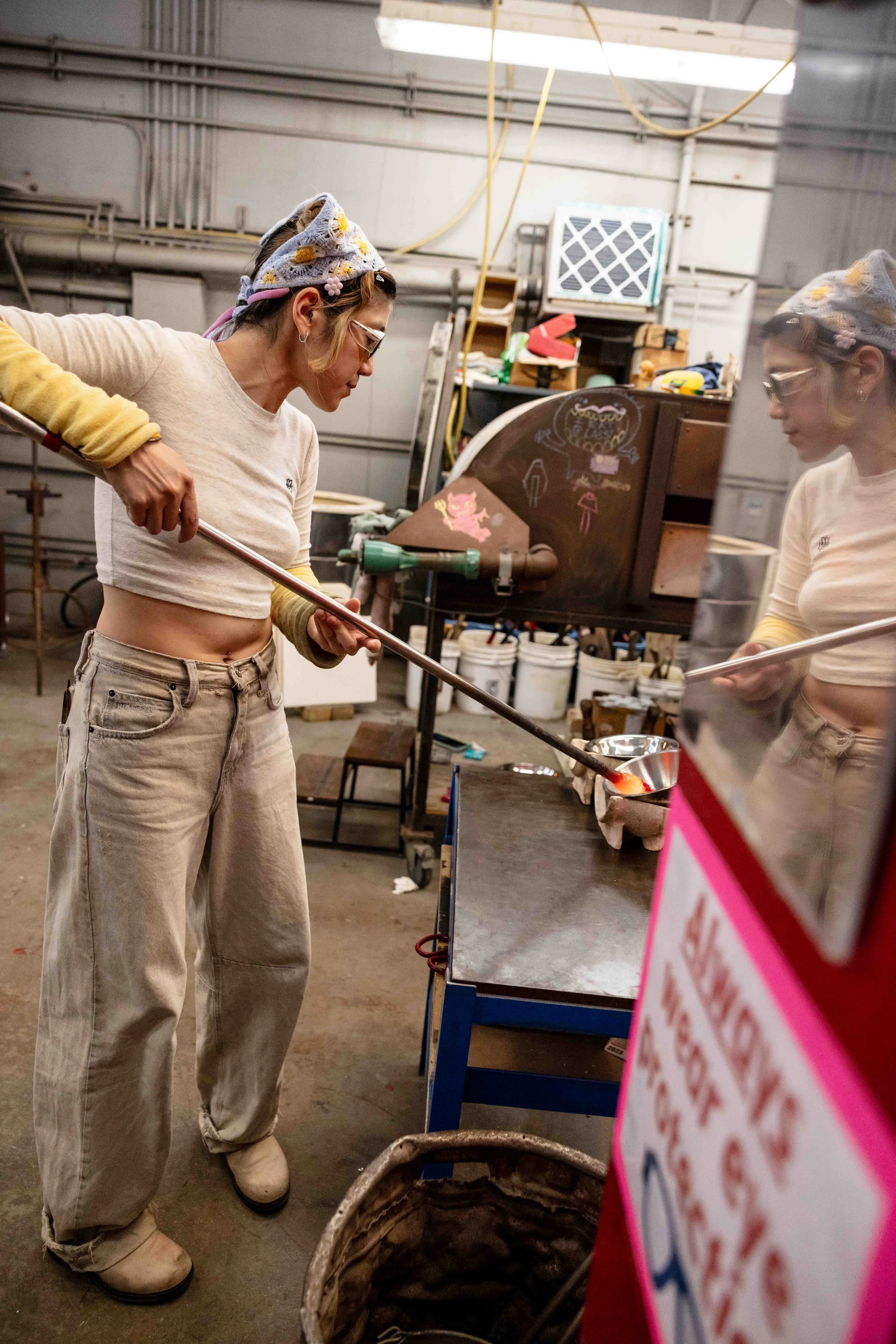
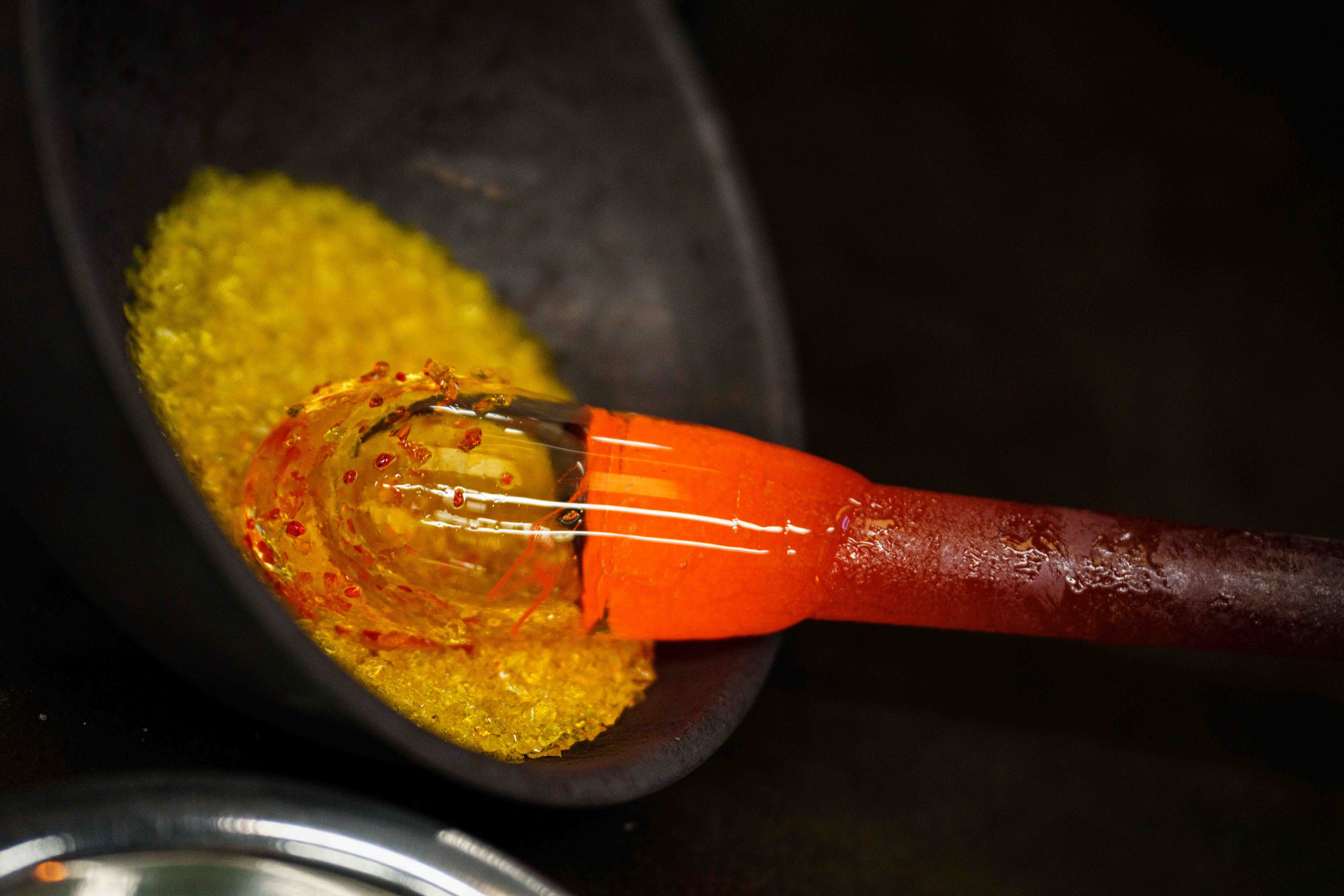
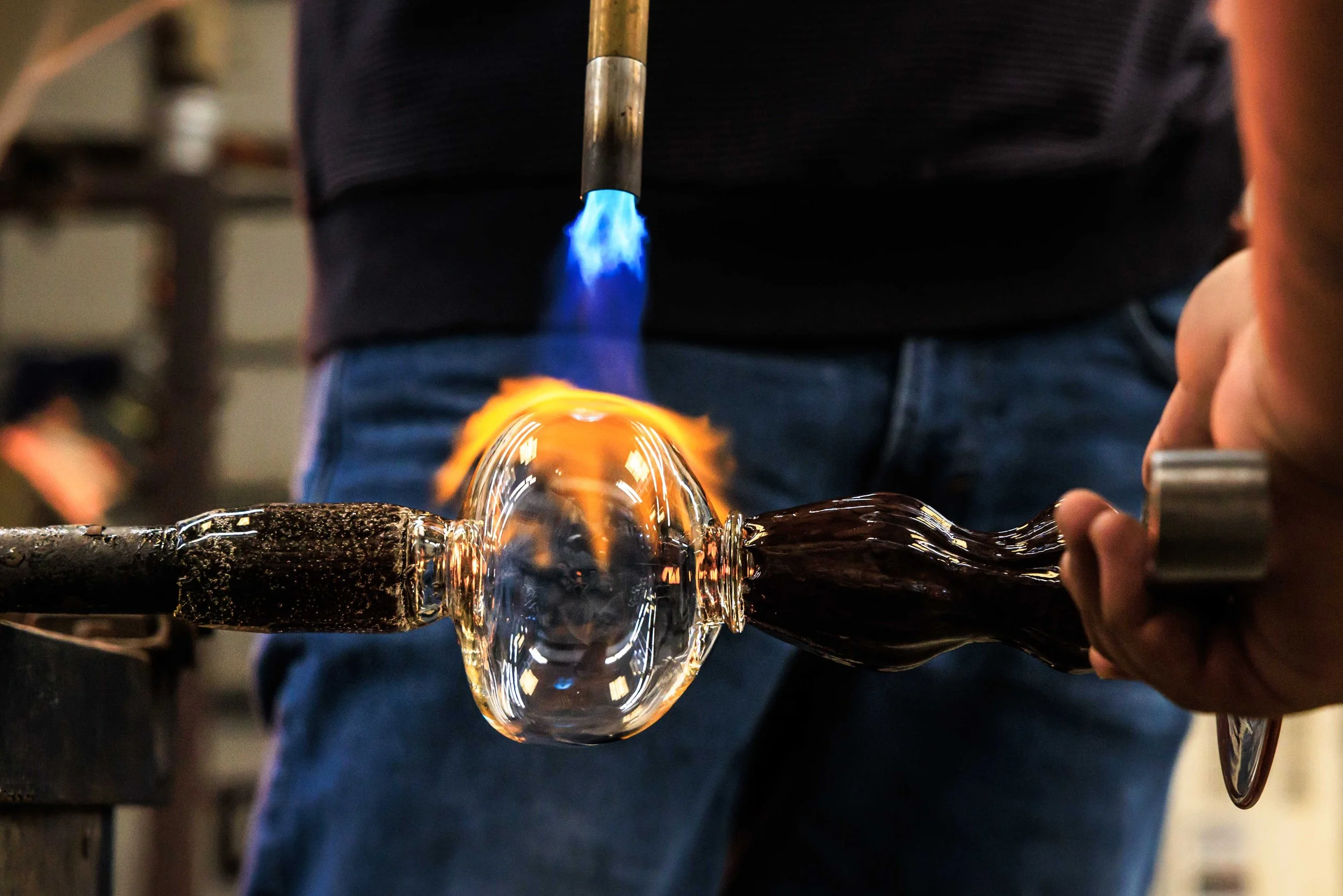
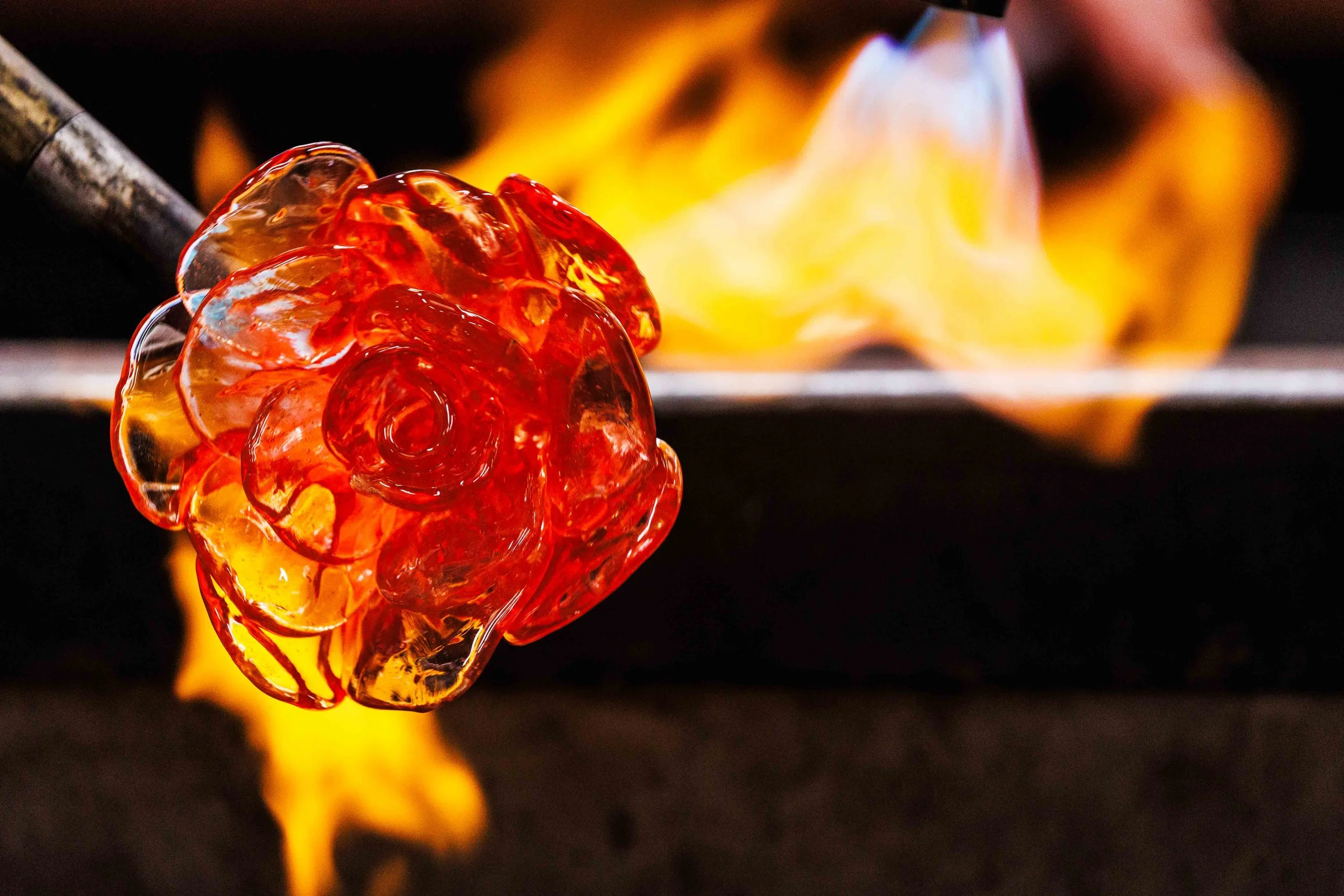
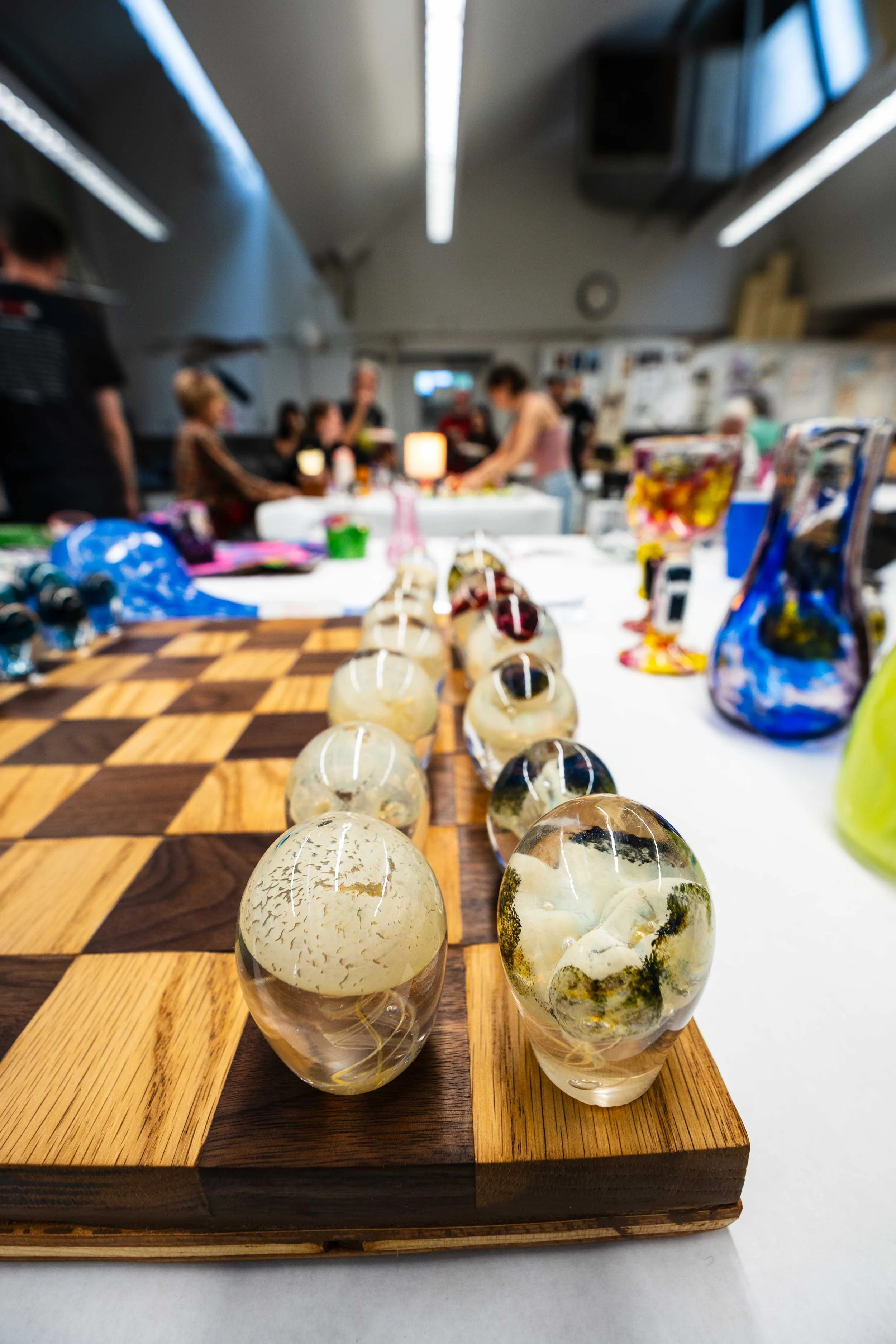
To be a glass artist, one must love fire. The rumble and heat of the furnace and glory holes, along with the application of the hand held torch, are constant. Safety is paramount - eye protection is worn at all times. Artists work solo or assist each other in the hot shop. They use a blowpipe to gather incandescent molten glass from a furnace heated to more than 2,000 degrees, where glass at its hottest is closest to white. As it becomes orange, they shape it with marvers, blocks, jacks, and punty rods, working quickly before it cools, and returning it frequently to a glory hole for reheating. Frit (crushed, colored glass) is rolled or dabbed onto the surface for color.
Once formed, glass pieces are placed into electric annealing ovens whose software provides a gradual, controlled temperature decline to prevent cracking.